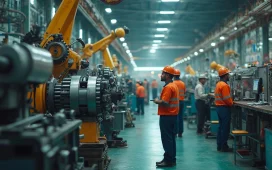
Manufacture is the process of converting raw materials into finished goods using labor, machinery, and technological systems. It is one of the core drivers of economic growth, innovation, and technological advancement. Manufacturing spans various industries, including automotive, electronics, textiles, chemicals, and food production, playing a critical role in shaping modern society.
Effective manufacturing ensures high-quality products, efficient use of resources, and timely delivery, which are essential for businesses to remain competitive in the global market. Beyond production, manufacture also involves research, process optimization, quality control, and distribution strategies.
Core Principles of Manufacturing
The manufacturing process is guided by several fundamental principles that ensure efficiency, quality, and profitability.
Planning and Design
Planning is the first step in any manufacturing process. It involves:
- Designing products that meet market demands and regulatory standards
- Selecting appropriate materials and production techniques
- Estimating costs and timelines for production
Design is a critical factor as it directly influences product functionality, manufacturability, and cost efficiency. Advanced manufacturing often incorporates computer-aided design (CAD) software to streamline planning and improve accuracy.
Process Optimization
Manufacturing relies heavily on optimizing processes to maximize productivity and minimize waste. Key strategies include:
- Lean manufacturing to eliminate inefficiencies
- Six Sigma for reducing variability and improving quality
- Automation to increase speed and precision
Process optimization ensures that resources—both human and material—are used effectively, reducing costs and improving product consistency.
Quality Control
Quality control ensures that products meet established standards and customer expectations. This involves:
- Inspection and testing of materials and components
- Monitoring production processes to detect defects
- Implementing corrective actions to prevent recurrence
A strong quality control system enhances brand reputation, reduces returns, and ensures regulatory compliance.
Supply Chain Management
Manufacturing is closely linked to the supply chain, which includes sourcing raw materials, managing inventory, and distributing finished goods. Effective supply chain management ensures:
- Timely availability of materials
- Reduced lead times and operational costs
- Smooth coordination with suppliers, distributors, and customers
Supply chain efficiency directly affects production schedules, cost management, and customer satisfaction.
Types of Manufacturing
Manufacturing is not a one-size-fits-all process; it varies based on scale, methods, and industry requirements.
Mass Production
Mass production involves producing large quantities of standardized products. Key characteristics include:
- High-volume output
- Automated or semi-automated production lines
- Consistent quality and reduced per-unit cost
Examples of mass production include automobiles, electronics, and packaged consumer goods.
Custom Manufacturing
Custom manufacturing focuses on producing specialized products tailored to specific client requirements. It involves:
- Low-volume, high-precision production
- Flexibility in design and materials
- Close collaboration with clients
Industries such as aerospace, luxury goods, and specialized machinery often rely on custom manufacturing.
Continuous Production
Continuous production is a method where manufacturing processes run non-stop, producing uniform products over long periods. It is commonly used in:
- Chemical manufacturing
- Oil refining
- Food and beverage production
Continuous production ensures efficiency, high output, and consistent quality.
Batch Production
Batch production involves manufacturing products in specific quantities or batches. Features include:
- Moderate production volume
- Flexibility to switch between products
- Cost-effective for small to medium-scale operations
Batch production is often used in pharmaceuticals, textiles, and specialty food production.
Just-In-Time (JIT) Manufacturing
JIT manufacturing focuses on producing goods based on demand, minimizing inventory costs. Key benefits include:
- Reduced storage costs
- Lower risk of overproduction
- Enhanced responsiveness to market changes
JIT is widely used in automotive and electronics industries, where inventory management and flexibility are crucial.
Technological Advancements in Manufacturing
Modern manufacturing is driven by technological innovations that improve efficiency, quality, and sustainability.
Automation and Robotics
Automation reduces human intervention in repetitive and labor-intensive tasks. Robots can perform tasks such as:
- Assembly line operations
- Welding and painting
- Packaging and palletizing
Automation improves production speed, precision, and workplace safety while lowering labor costs.
3D Printing
3D printing, or additive manufacturing, builds products layer by layer from digital designs. Applications include:
- Prototyping and product development
- Custom parts manufacturing
- Rapid iteration and innovation
3D printing reduces material waste, shortens development cycles, and allows for complex designs not possible with traditional methods.
Artificial Intelligence and Machine Learning
AI and machine learning enhance manufacturing efficiency by analyzing data for predictive maintenance, quality control, and process optimization. Benefits include:
- Minimizing downtime and operational disruptions
- Identifying defects and anomalies in real time
- Streamlining supply chain and production planning
Intelligent manufacturing systems enable proactive decision-making and continuous improvement.
Internet of Things (IoT)
IoT connects machines, sensors, and systems to provide real-time monitoring and control of manufacturing processes. Applications include:
- Equipment health monitoring
- Inventory tracking
- Energy consumption management
IoT integration enhances productivity, reduces downtime, and ensures better resource utilization.
Sustainable Manufacturing
Sustainability is a growing priority in manufacturing. Practices include:
- Using eco-friendly materials and renewable energy
- Reducing emissions and waste
- Recycling and reusing resources
Sustainable manufacturing not only meets regulatory requirements but also appeals to environmentally conscious consumers.
Challenges in Manufacturing
Despite advancements, manufacturers face several challenges in the modern landscape.
Global Competition
Manufacturers must compete with international companies offering lower costs or advanced technology, requiring continuous innovation and efficiency improvements.
Supply Chain Disruptions
Global events, natural disasters, or geopolitical tensions can disrupt supply chains, affecting material availability, production schedules, and delivery timelines.
Skilled Workforce Shortage
Advanced manufacturing requires skilled labor in robotics, AI, and process optimization. Attracting and retaining talent remains a key challenge.
Regulatory Compliance
Manufacturers must comply with regulations related to safety, quality, and environmental standards, which can vary across regions and industries.
Technological Integration
Adopting new technologies requires investment, training, and change management to ensure seamless integration into existing processes.
The Role of Manufacture in Economic Growth
Manufacturing is a critical driver of economic growth and innovation. It contributes to:
- Job Creation: Manufacturing provides employment across various skill levels, supporting livelihoods and communities
- Technological Advancements: R&D in manufacturing fuels innovation in multiple sectors
- Exports and Trade: Manufactured goods drive international trade, improving national income
- Industrial Development: A strong manufacturing sector attracts investment and supports other industries like logistics, retail, and services
- Sustainability Initiatives: Modern manufacturing emphasizes eco-friendly processes, contributing to long-term environmental sustainability
FAQs About Manufacture
1. What is the main purpose of manufacturing?
The primary purpose of manufacturing is to convert raw materials into finished products efficiently and cost-effectively while meeting quality standards.
2. How does mass production differ from custom manufacturing?
Mass production focuses on high-volume standardized products, whereas custom manufacturing creates specialized, tailored products in smaller quantities.
3. What are the benefits of automation in manufacturing?
Automation improves speed, precision, safety, and consistency while reducing labor costs and minimizing errors.
4. How does 3D printing impact modern manufacturing?
3D printing allows rapid prototyping, custom parts production, complex designs, and reduced material waste, revolutionizing traditional manufacturing processes.
5. What is lean manufacturing?
Lean manufacturing is a strategy focused on eliminating waste, optimizing processes, and maximizing value to the customer.
6. Why is sustainable manufacturing important?
Sustainable manufacturing reduces environmental impact, conserves resources, complies with regulations, and appeals to eco-conscious consumers.
7. How do IoT and AI improve manufacturing efficiency?
IoT enables real-time monitoring of machines and inventory, while AI analyzes data for predictive maintenance, quality control, and process optimization, enhancing productivity and reducing downtime.
8. What are the key challenges faced by manufacturers today?
Manufacturers face global competition, supply chain disruptions, skilled labor shortages, regulatory compliance, and challenges in integrating new technologies.