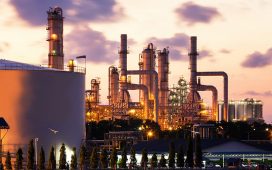
The concept of industry has evolved dramatically over centuries, transforming societies, economies, and technological landscapes. From the agricultural roots of early human civilization to the mechanized factories of the Industrial Revolution, and now the digital and automation-driven economy, industries have always been central to economic development and societal progress. Understanding the modern industry requires exploring its various sectors, innovations, and global implications.
What Defines an Industry?
An industry refers to a group of businesses or organizations that produce similar goods or services. These entities operate under shared market conditions, competitive forces, and regulatory frameworks. Industries serve as the backbone of economies, providing employment, generating revenue, and driving innovation. Industries can be categorized into three primary types:
- Primary Industry: Involves the extraction and production of raw materials, such as mining, agriculture, forestry, and fishing. These industries form the foundation for all other industrial activities.
- Secondary Industry: Encompasses manufacturing and construction sectors that process raw materials into finished products or infrastructure. Examples include automotive manufacturing, steel production, and construction of residential and commercial buildings.
- Tertiary Industry: Focuses on services rather than goods. This includes retail, healthcare, finance, education, transportation, and tourism. The tertiary sector has grown significantly in developed economies, contributing a major share of GDP.
Key Industry Sectors Driving Global Economies
Modern industries are diverse, reflecting changes in technology, consumer demand, and globalization. Some key sectors include:
Manufacturing Industry
The manufacturing sector transforms raw materials into products through machinery, labor, and technology. Innovations such as robotics, 3D printing, and lean manufacturing have boosted efficiency, reduced waste, and increased product quality. Key sub-sectors include:
- Automobile Manufacturing: Leading economies like Germany, the USA, and Japan have robust automotive industries focusing on electric and autonomous vehicles.
- Electronics and Technology Manufacturing: Companies produce computers, smartphones, semiconductors, and home appliances, with countries like South Korea and China leading global production.
- Textile and Apparel Industry: A major employer worldwide, especially in countries like India, Bangladesh, and Vietnam.
Energy and Utilities
The energy sector powers industries, homes, and infrastructure. It includes fossil fuels, renewable energy, and nuclear power. Key trends shaping this sector are:
- The shift towards renewable sources like solar, wind, and hydropower to combat climate change.
- Energy storage solutions and smart grids enhancing efficiency.
- Global investments in sustainable energy infrastructure driving economic growth.
Information Technology and Digital Services
The IT industry has become a cornerstone of modern economies. This sector covers software development, cloud computing, artificial intelligence, cybersecurity, and IT consulting. IT services facilitate digital transformation across manufacturing, healthcare, finance, and logistics, enabling faster decision-making and operational efficiency.
Healthcare and Biotechnology
The healthcare industry extends beyond hospitals and clinics, encompassing pharmaceuticals, biotechnology, medical devices, and telemedicine. Advancements in biotechnology and genetic engineering are revolutionizing disease treatment, vaccine development, and personalized medicine. This industry also contributes significantly to employment and economic resilience, particularly during global health crises.
Agriculture and Food Production
Despite technological advancements, agriculture remains a critical industry globally. Modern agriculture integrates precision farming, biotechnology, and sustainable practices to improve yield and reduce environmental impact. Food production industries, including processing, packaging, and distribution, are essential for global food security.
Financial and Business Services
The finance industry encompasses banking, investment, insurance, and fintech solutions. Financial institutions facilitate capital flow, investment, and risk management, supporting industrial and economic growth. Emerging fintech platforms are redefining traditional banking, offering digital payments, mobile banking, and blockchain-based services.
Technological Innovations Transforming Industries
Technology continues to reshape industrial operations and strategies. Key innovations include:
- Automation and Robotics: Reduces labor-intensive tasks, improves precision, and enhances productivity.
- Artificial Intelligence and Machine Learning: AI algorithms optimize production schedules, predict market trends, and enhance customer experience.
- Internet of Things (IoT): IoT devices enable real-time monitoring of industrial equipment, improving efficiency and reducing downtime.
- 3D Printing: Revolutionizes prototyping and small-scale manufacturing, reducing material waste and production time.
- Blockchain Technology: Enhances supply chain transparency, reduces fraud, and ensures secure transactions.
The Economic Significance of Industry
Industries play a crucial role in national and global economies:
- Employment Generation: Industries provide millions of jobs across skilled, semi-skilled, and unskilled levels.
- GDP Contribution: Industrial output directly impacts a country’s GDP, with manufacturing and service sectors being significant contributors.
- Trade and Exports: Industrial goods fuel international trade, improving foreign exchange earnings and strengthening economic ties.
- Innovation and R&D: Industries drive research, innovation, and technological advancements, fostering long-term competitiveness.
- Urbanization and Infrastructure Development: Industrial hubs contribute to urban growth, infrastructure development, and improved living standards.
Challenges Facing Modern Industries
Despite their importance, industries face several challenges:
- Global Competition: Companies must innovate continually to remain competitive in international markets.
- Sustainability Pressures: Environmental regulations and consumer demand for eco-friendly products require industries to adopt sustainable practices.
- Workforce Skill Gaps: Rapid technological adoption creates demand for skilled labor capable of managing advanced machinery and digital tools.
- Supply Chain Disruptions: Geopolitical tensions, pandemics, and natural disasters can impact production and logistics.
- Cybersecurity Threats: Digitalization increases vulnerability to cyberattacks, requiring robust data protection measures.
The Future of Industry
The future of industry is increasingly digital, sustainable, and interconnected. Emerging trends include:
- Industry 4.0: The integration of AI, IoT, and advanced robotics into manufacturing and logistics.
- Green Manufacturing: Sustainable practices and renewable energy adoption becoming standard across sectors.
- Global Collaboration: International partnerships and cross-border supply chains facilitating innovation and market expansion.
- Customized and On-Demand Production: Consumer-centric approaches driving product customization and rapid delivery models.
- Advanced Data Analytics: Big data analytics guiding decision-making, predicting trends, and enhancing operational efficiency.
Conclusion
Industries are fundamental pillars of modern economies, shaping technological progress, employment, and global trade. Understanding the diversity of sectors, their economic contributions, and the challenges they face provides valuable insights into global development trends. As industries continue to evolve, embracing innovation, sustainability, and digital transformation will define their success and societal impact.
FAQ
1. What are the main types of industries?
Industries are typically classified into primary (raw materials), secondary (manufacturing), and tertiary (services) sectors.
2. How does technology impact modern industries?
Technological advancements like AI, IoT, robotics, and 3D printing increase productivity, reduce costs, and enable innovation across industrial sectors.
3. Which industries contribute most to global GDP?
Manufacturing, IT and digital services, finance, healthcare, and energy sectors are among the top contributors to global GDP.
4. What challenges are industries currently facing?
Industries face global competition, sustainability pressures, workforce skill gaps, supply chain disruptions, and cybersecurity threats.
5. What is Industry 4.0?
Industry 4.0 refers to the integration of digital technologies like AI, IoT, robotics, and cloud computing into industrial processes for smarter, automated operations.
6. How do industries affect employment?
Industries provide millions of jobs worldwide, ranging from manual labor in manufacturing to high-skilled roles in IT, finance, and research.
7. Why is sustainability important for industries?
Sustainability ensures environmental protection, reduces operational costs, aligns with regulatory requirements, and meets consumer expectations for eco-friendly products.