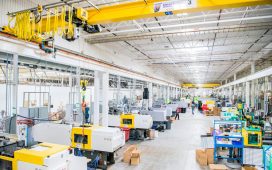
Manufacture is the backbone of modern economies, transforming raw materials into finished products that power industries, improve living standards, and drive global trade. It is both an art and a science, combining human creativity, engineering precision, and technological innovation. Understanding the manufacture process requires exploring its methods, sectors, innovations, challenges, and its evolving role in a digitized, sustainable world.
What is Manufacture?
Manufacture refers to the process of converting raw materials, components, or semi-finished goods into finished products through labor, machinery, tools, and chemical processes. Unlike simple assembly or handcrafting, modern manufacturing relies heavily on industrial techniques, automation, and technology to ensure precision, efficiency, and scalability. Key characteristics of manufacture include:
- Systematic Process: Manufacture involves defined steps such as design, production planning, processing, assembly, and quality control.
- Material Transformation: Raw materials are chemically or mechanically transformed to achieve functional or aesthetic qualities.
- Consistency and Quality: Standardized processes ensure uniformity, high quality, and compliance with industry regulations.
- Scalability: Manufacturing processes can be scaled to produce large volumes while controlling costs.
Key Sectors in Manufacturing
Manufacturing spans multiple sectors, each contributing uniquely to the economy and society. Understanding these sectors highlights the diversity and complexity of the industry.
Automotive Manufacturing
The automotive sector produces vehicles, from cars and trucks to motorcycles and commercial transport. This sector is witnessing rapid transformation due to:
- Electric Vehicles (EVs): Companies are investing heavily in battery technology, electric drivetrains, and charging infrastructure.
- Autonomous Technology: Self-driving and AI-assisted vehicles are changing design, safety, and production standards.
- Supply Chain Integration: Automotive manufacturing relies on complex global supply chains for components like engines, electronics, and chassis.
Electronics and Semiconductor Manufacturing
Electronics manufacturing is a high-tech sector producing smartphones, computers, semiconductors, and consumer appliances. Key trends include:
- Miniaturization: Smaller, more powerful devices require precision manufacturing techniques like photolithography for semiconductors.
- Automation: Robotics in assembly lines improves speed, reduces human error, and lowers production costs.
- Sustainable Electronics: Companies are developing eco-friendly materials and recycling programs to reduce electronic waste.
Food and Beverage Manufacture
Food manufacturing converts raw agricultural products into packaged, processed, and ready-to-consume goods. This sector focuses on:
- Quality and Safety: Compliance with strict food safety standards ensures public health.
- Automation: Machinery handles processing, packaging, and labeling efficiently.
- Sustainability: Reduction of waste, energy-efficient processes, and sustainable sourcing are critical trends.
Textile and Apparel Manufacture
The textile sector produces fabrics, garments, and accessories. Key innovations include:
- Smart Fabrics: Integration of wearable technology and performance textiles for sports, healthcare, and fashion.
- Fast Fashion vs. Sustainability: Balancing rapid production cycles with environmental responsibility is a major challenge.
- Automation in Weaving and Cutting: Reduces labor costs and improves efficiency.
Pharmaceutical and Biotechnology Manufacture
Pharmaceutical manufacturing produces drugs, vaccines, and medical devices. This sector requires:
- Regulatory Compliance: Strict adherence to FDA and global standards ensures safety and efficacy.
- Advanced Bioprocessing: Biotechnology techniques improve drug formulation, genetic therapies, and personalized medicine.
- Automation and Robotics: Automated filling, packaging, and lab processes enhance precision and reduce contamination risks.
Modern Manufacturing Techniques
Manufacturing has evolved significantly due to technological innovations. Modern techniques include:
- Additive Manufacturing (3D Printing): Layer-by-layer production enables rapid prototyping, custom parts, and reduced material waste.
- Lean Manufacturing: Focuses on efficiency by eliminating waste, optimizing workflow, and reducing costs.
- Just-in-Time (JIT) Production: Reduces inventory costs by producing goods based on demand forecasts.
- Computer-Aided Manufacturing (CAM): Software controls machinery, ensuring precision and repeatability.
- Industrial Robotics: Robots perform repetitive tasks with high accuracy, improving productivity and safety.
The Role of Technology in Manufacturing
Technology has transformed manufacture from traditional assembly lines to smart, interconnected systems. Key technological drivers include:
- Internet of Things (IoT): Connected sensors provide real-time data for equipment performance, predictive maintenance, and supply chain management.
- Artificial Intelligence (AI): AI algorithms optimize production schedules, quality control, and defect detection.
- Big Data Analytics: Helps manufacturers predict market demand, streamline operations, and improve decision-making.
- Blockchain Technology: Ensures transparency, traceability, and security in supply chains.
Economic and Societal Impact of Manufacturing
Manufacturing is vital for economic growth and societal development. Its impacts include:
- Job Creation: Provides employment across skilled, semi-skilled, and unskilled categories, from engineers to assembly line workers.
- GDP Contribution: Manufacturing significantly contributes to national GDP, especially in industrialized countries.
- Trade and Exports: Manufactured goods are central to international trade, boosting foreign exchange and global connectivity.
- Innovation and R&D: Continuous research drives technological advancements, improving productivity and competitiveness.
- Infrastructure Development: Manufacturing hubs stimulate urbanization and infrastructure investment, raising living standards.
Challenges Facing the Manufacturing Industry
Despite its importance, the manufacturing sector faces challenges:
- Global Competition: Manufacturers must continuously innovate to remain competitive in global markets.
- Sustainability Demands: Environmental regulations and consumer expectations push for greener production processes.
- Workforce Skills Gap: Rapid technological adoption requires highly skilled labor capable of operating advanced machinery and software.
- Supply Chain Disruptions: Natural disasters, geopolitical tensions, or pandemics can significantly affect production and logistics.
- Cybersecurity Risks: Digitalized manufacturing systems are vulnerable to cyberattacks, requiring robust security measures.
The Future of Manufacture
The future of manufacturing is shaped by innovation, sustainability, and digitalization. Emerging trends include:
- Smart Factories: Integration of IoT, AI, and robotics into automated, intelligent production facilities.
- Sustainable Manufacturing: Green production, renewable energy, and circular economy principles are becoming standard practices.
- Customization and On-Demand Production: Advanced technologies allow personalized products and rapid delivery.
- Collaborative Manufacturing Networks: Global partnerships and shared innovation platforms improve efficiency and reduce costs.
- Advanced Material Development: Innovations in composites, polymers, and nanomaterials enhance product functionality and durability.
Conclusion
Manufacture is an ever-evolving field, central to economic growth, technological advancement, and societal well-being. From traditional factories to smart, automated production lines, manufacturing integrates innovation, efficiency, and sustainability. By understanding its techniques, sectors, challenges, and future trends, businesses and policymakers can make informed decisions that drive growth and competitive advantage in the global economy.
FAQ
1. What is the difference between manufacture and production?
Manufacture involves the systematic transformation of raw materials into finished goods using machinery, tools, and labor, while production is a broader term encompassing all processes of creating goods or services.
2. Which industries rely most heavily on manufacturing?
Automotive, electronics, textiles, pharmaceuticals, and food processing industries are highly dependent on advanced manufacturing techniques.
3. How does technology impact modern manufacturing?
Technology like AI, IoT, robotics, 3D printing, and big data analytics improves efficiency, reduces costs, ensures quality, and enables innovation.
4. What are some challenges faced by manufacturers today?
Challenges include global competition, sustainability demands, workforce skills gaps, supply chain disruptions, and cybersecurity threats.
5. Why is sustainable manufacturing important?
Sustainable practices reduce environmental impact, comply with regulations, meet consumer expectations, and often reduce operational costs.
6. What is Industry 4.0 in manufacturing?
Industry 4.0 refers to the integration of digital technologies like AI, IoT, robotics, and data analytics to create smart, automated, and interconnected manufacturing systems.
7. How does manufacturing contribute to the economy?
Manufacturing generates jobs, contributes to GDP, boosts exports, drives research and innovation, and promotes infrastructure development.